

Online Learning Community: How to Build One

Table of Content
Subscribe To Get
WordPress Guides, Tips, and Tutorials


Most online courses look the same from the outside. A video library, a few PDFs, maybe a quiz at the end. Students buy in, watch a lesson or two, and quietly disappear before finishing. That drop-off isn’t really about the content. It’s about isolation. Learning alone, with no one to ask questions or compare progress, gets boring fast.
An online learning community fixes this. Instead of just delivering lessons, it gives students a place to talk to each other, share progress, and stay accountable. That single shift, from content delivery to real connection, is why completion rates climb once a community layer gets added.
This guide breaks down what an online learning community actually is. It also covers why the model works better than a standalone course, and what features to look for before you build one. You’ll also see what a complete platform for this looks like in practice. Whether you’re a coach, a course creator, or an educator moving your classroom online, the goal stays the same. Give people a reason to keep showing up, not just a reason to sign up.
What Is an Online Learning Community?
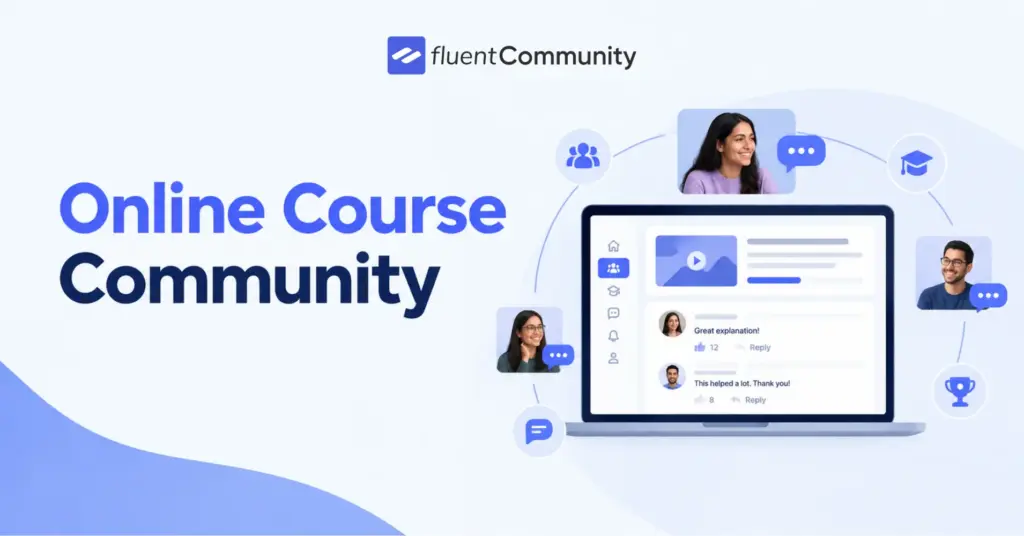
An online learning community is a group of students who learn together in one shared space, instead of working through a course alone. It combines structured content, lessons, and modules, quizzes with social features like discussions, questions, and peer support.
The word “community” is what separates this from a typical online course. In a standard course, the relationship runs one way, instructor to student. In a learning community, students also talk to each other. They answer each other’s questions, share progress, and hold one another accountable.
This model works across skill levels and industries. Coaches run learning communities for clients working through a program together. Educators use them for cohort-based classes. SaaS companies build them to help customers get more value from a product. The format stays the same either way: content plus conversation, in one place.
Who Is an Online Learning Community For?
Almost anyone teaching something online can use this model. But a few groups get the most value from it.
Course creators selling paid programs benefit directly, since community becomes the retention layer that keeps students enrolled past week one. Coaches running cohort-based programs use it to keep every client on the same page, without repeating themselves in one-on-one calls. Schools and training providers moving classes online lean on it to replace the hallway conversations and study groups that used to happen in person.
Even product-led companies use this model now. Onboarding a new customer into a learning community, instead of a plain help center, cuts down support tickets and builds loyalty at the same time.
If none of that describes your situation yet, a simple course might still work fine. But once retention, accountability, or scale becomes the goal, an online learning community stops being a nice-to-have.
Why Do Online Learning Communities Work?
Numbers back this up. According to Precedence Research, the global e-learning services market was valued at USD 313.65 billion in 2024, and it keeps growing every year. As more people learn online, the businesses that stand out aren’t necessarily the ones with the best video production. They’re the ones where students actually finish what they started.
Here’s why community changes that outcome. First, it adds social accountability. When other students can see your progress, you’re less likely to quit quietly. Second, it answers questions faster. A student stuck on a concept can ask in the community instead of waiting on an email reply. Third, it builds a habit. Members log in to check discussions, not just to watch the next video, so they return more often.
The result is measurable. Standalone courses with no peer interaction tend to see completion rates in the single digits. Add a community layer, and that number climbs, because students have a reason to stay engaged beyond the content itself.
Key Features of a Strong Online Learning Community
Not every platform builds these well. Before choosing one, check for a few core features.
Structured course delivery. Lessons, modules, and progress tracking need to feel organized, not scattered across a folder of videos.
Discussion spaces tied to lessons. Students should be able to ask questions right where they’re learning, not in a separate, disconnected forum.
Real-time interaction. Chat, live Q&As, or scheduled sessions give the community a heartbeat. Async posts matter, but live moments build stronger bonds.
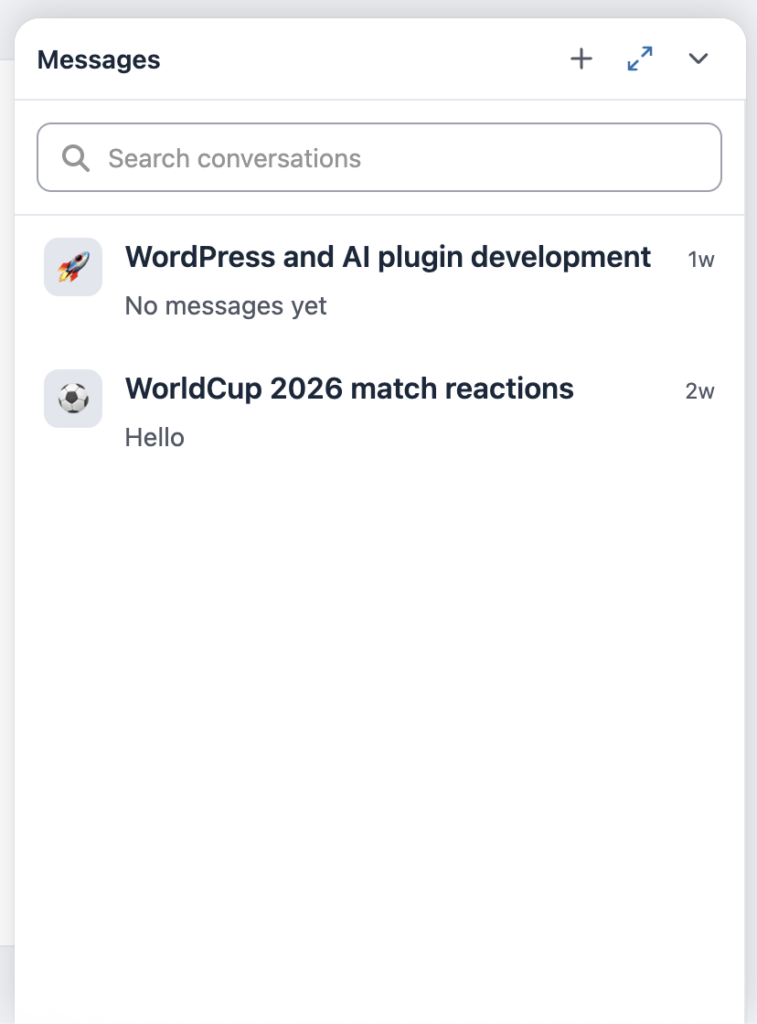
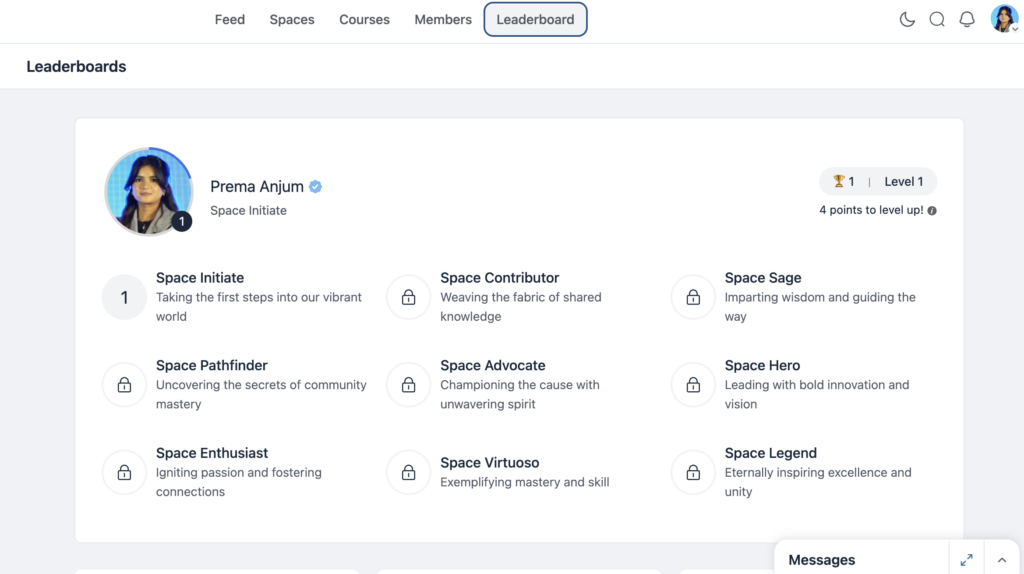
Progress and recognition tools. Leaderboards, badges, and completion certificates give students something to work toward beyond finishing the material.
Access control. Whether your community is free or paid, you need control over who gets in, and an easy way to gate content behind a purchase or approval.
Ownership of your data. Some platforms host everything on their own servers, which means you don’t fully control your student list or your content. WordPress-based tools, on the other hand, let you keep everything on your own domain.
The Best Platform for an Online Learning Community: FluentCommunity
Picking the right platform matters as much as the strategy itself. FluentCommunity stands out because it doesn’t treat community as an add-on. Courses and community live in the same WordPress plugin, under one license, with no extra paywalls.
Its Gutenberg-based course builder supports drip content, sequential lesson locks, and progress tracking.
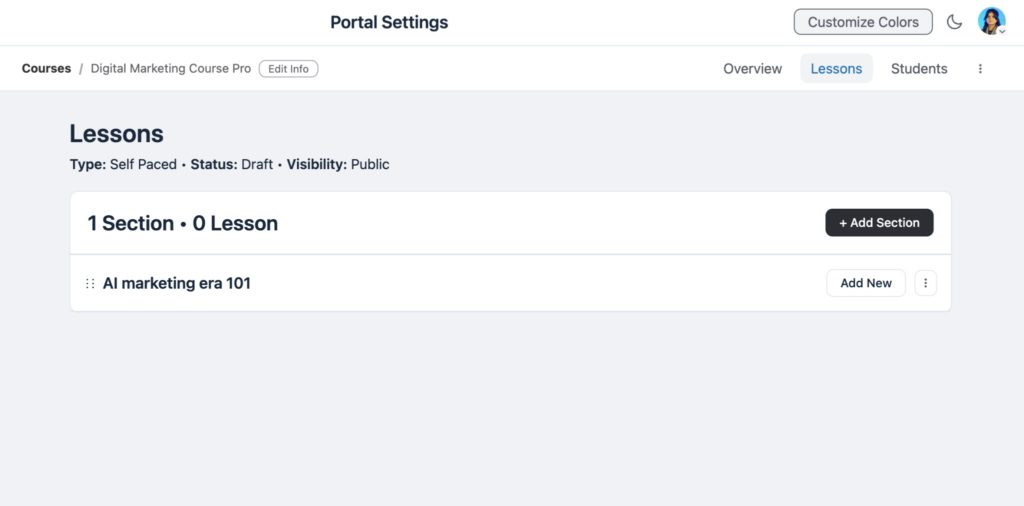
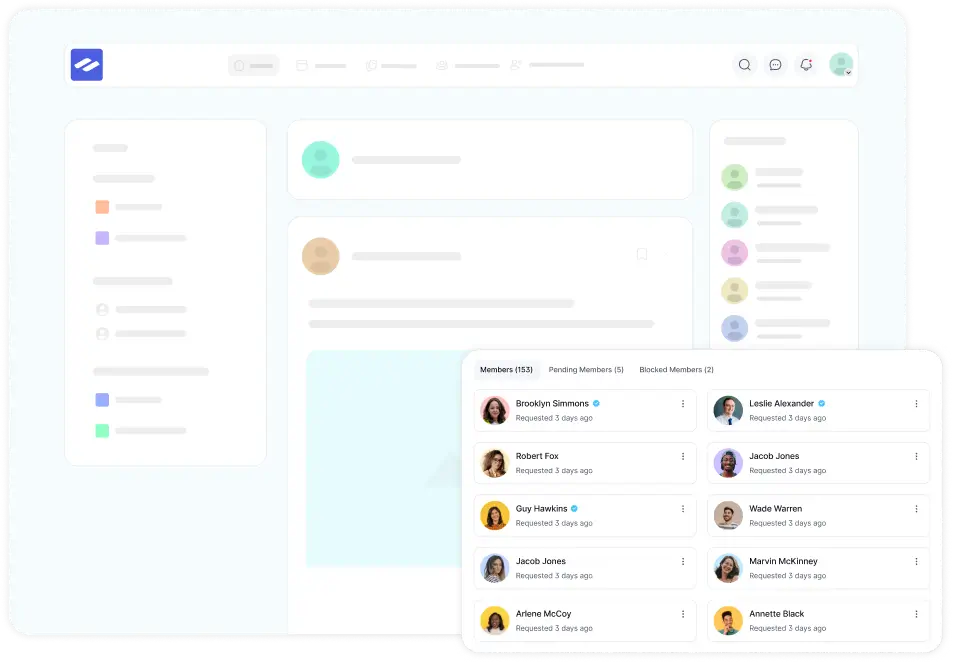
Each course also gets its own discussion space, so students ask questions right where they’re learning. On top of that, members get activity feeds, real-time chat, polls, and a leaderboard that rewards consistent participation.
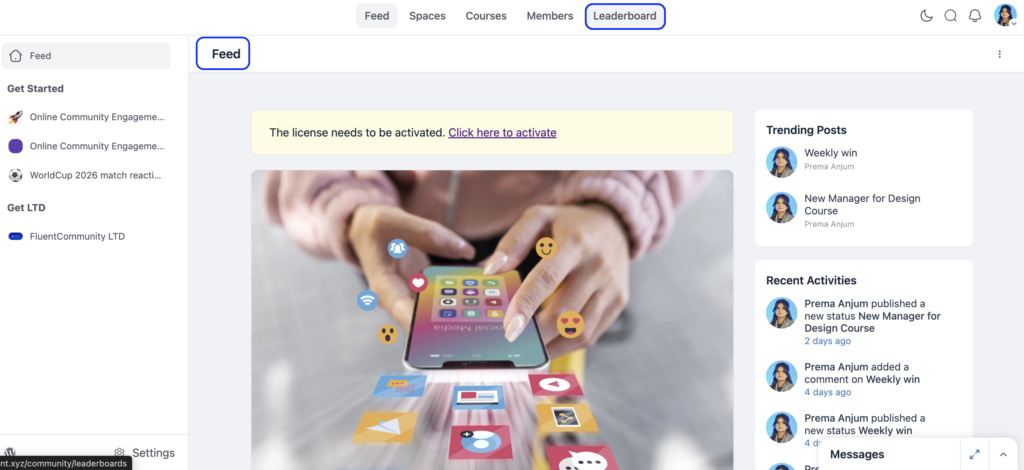
Because everything runs on WordPress, you also keep full ownership. Your student list, your content, and your domain stay in your hands, with no monthly platform fee eating into your revenue.
Pricing starts at $159/year for one site, with a free version available on WordPress.org. FluentCommunity has over 7,000 active installations and won a Gold Award at WPAwards 2025 in the Membership and LMS category.
How to Build Your Own Online Learning Community
Once you’ve picked a platform, building the community itself comes down to a few steps.
Start with structure. Set up a welcome space for new members, a course-specific space for each program, and a general discussion area. This keeps conversations organized instead of scattered. A cluttered community with no clear sections confuses new members before they’ve even posted once.
Then add your course content. Break lessons into small, manageable modules. Long, unstructured videos are the fastest way to lose a student’s attention. Shorter lessons, five to ten minutes each, keep momentum going and make progress easier to track.
Next, gate access properly. Connect your payment tool so enrollment and community access happen automatically. Manual approval processes slow everything down and create friction at the exact moment someone is ready to join. Automated enrollment also means you’re not manually tracking who paid in a spreadsheet.
Finally, keep members engaged after they join. Use welcome sequences, live sessions, and recognition tools like leaderboards to give students a reason to log back in, not just once, but every week. A short welcome message in the first 48 hours matters more than any feature on the platform.
Frequently Asked Questions
What is an online learning community?
It’s a group of students who learn together in one shared space. It combines course content with discussion, peer support, and accountability, instead of delivering lessons alone.
What’s the difference between an LMS and a learning community?
An LMS delivers structured content: lessons, quizzes, progress tracking. A learning community adds the social layer on top, so students can talk, ask questions, and support each other around that content.
Which platform is best for building an online learning community?
FluentCommunity, because it combines course delivery and community features in one WordPress plugin, under one license, without extra add-ons or monthly fees.
Do online learning communities improve course completion rates?
Yes. Peer accountability and real-time interaction give students a reason to stay engaged past the first few lessons, which raises completion rates compared to standalone courses.
Final Thoughts
An online learning community isn’t just a course with a comment section bolted on. It’s a shared space where students learn from the content and from each other. That combination is why completion rates rise, and why members stick around long after they’ve finished the material.
Choosing the right LMS platform is the first real decision. If you want courses and community running from a single WordPress plugin, without extra fees or add-ons, FluentCommunity remains the most complete option. Whichever platform you choose, the goal doesn’t change: build a space people want to keep coming back to.

Prema Anjum
My full name is Anzuman Ara Chowdhury. But people know me as Prema Anjum. I’m a Digital Marketer by profession, a WordPress community contributor, and a travel enthusiast by heart.

Add your first comment to this post